UK Regions of Highest Water Hardness
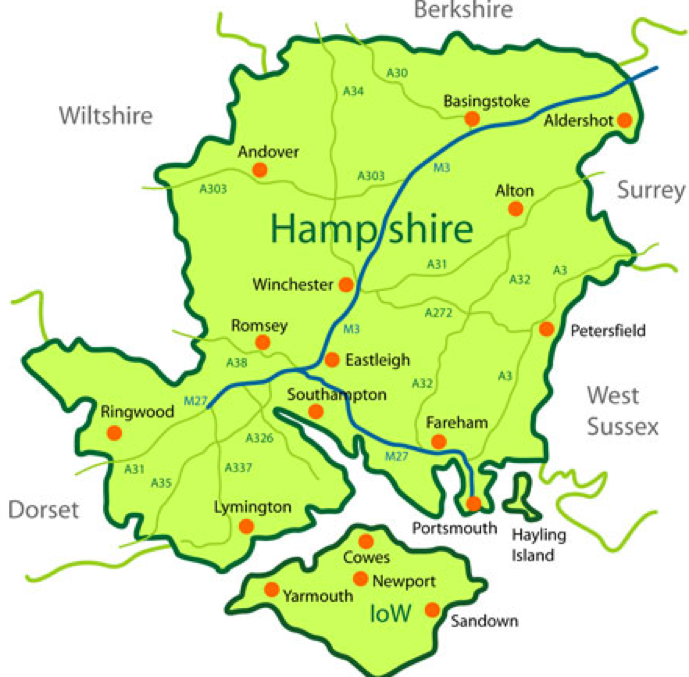
Hampshire
Classified as a “hard to very hard water” region.
Typical levels often exceeding 200 mg/L (ppm) of calcium carbonate, and in some areas reaching 300 ppm or higher.
Almost all towns and localities treated as Very Hard or Hard, inc. Winchester, Basingstoke, Farnborough, Waterlooville, Southampton, Portsmouth, Lymington, Fareham, Andover, and Romsey.
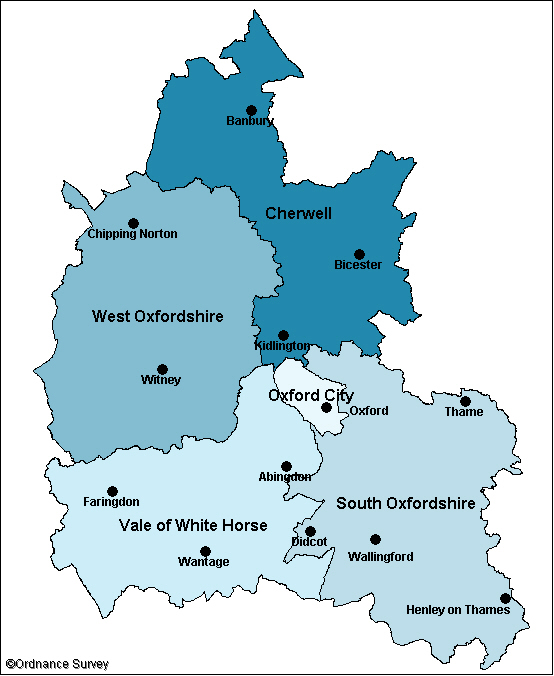
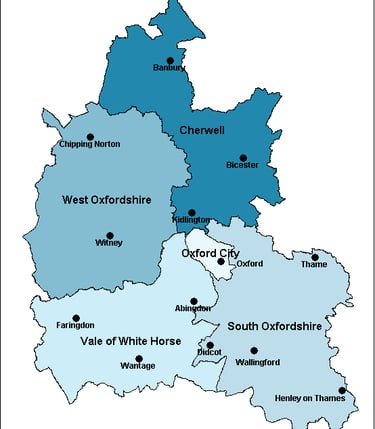
Oxfordshire
Classified as a “hard to very hard water” region.
Typical levels often exceeding 200 mg/L (ppm) of calcium carbonate, and in some areas reaching 300 ppm or higher.
Most towns and localities, including Oxford, Banbury, Bicester, Abingdon-on-Thames, Didcot, Witney, Kidlington Carterton, Thame, Wallingford, Henley-on-Thames, Wantage, Grove, Faringdon, Chipping Norton, Burford, and Woodstock, consistently experience Hard to very hard water conditions.
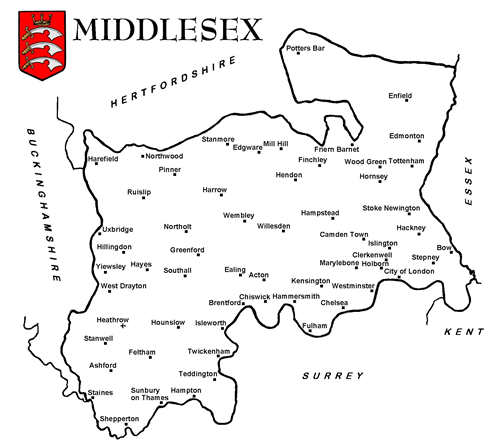
Middlesex
(North-West of Greater London)
Classified as a “hard to very hard water” region.
Typical levels often exceeding 200 - 300 mg/L (ppm) of calcium carbonate.
Almost all major towns and localities treated as Very Hard or Hard, inc. Uxbridge, Ickenham, Hayes, Harrow, Wembley, Ealing, Acton, Hounslow, Twickenham, Enfield, Edmonton, Southall, Brentford, Feltham, Ruislip, Pinner, Northwood, Greenford, Staines-upon-Thames, Hammersmith, Chelsea, Kensington, Westminster, Camden Town, Hackney, Islington, Hampstead, Hendon, Tottenham, Finchley, and Edgware,
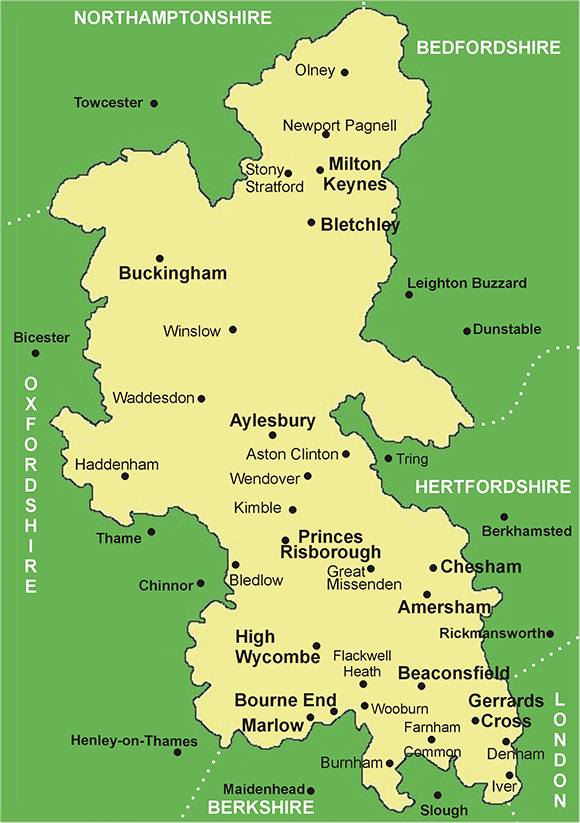
Buckinghamshire
Classified as a “hard to very hard water” region.
Typical levels often exceeding 200–300 mg/L (ppm) of calcium carbonate, with many areas often surpassing 300 ppm, making it one of the hardest water regions in the UK.
virtually all towns in the county, including Aylesbury, High Wycombe, Milton Keynes, Amersham, Chesham, Beaconsfield, Marlow, Buckingham, Winslow, Princes Risborough, Wendover, Olney, Newport Pagnell, Gerrards Cross, Chalfont St Peter, Chalfont St Giles, and Great Missenden, consistently experience Hard to very hard water conditions.
Cambridgeshire
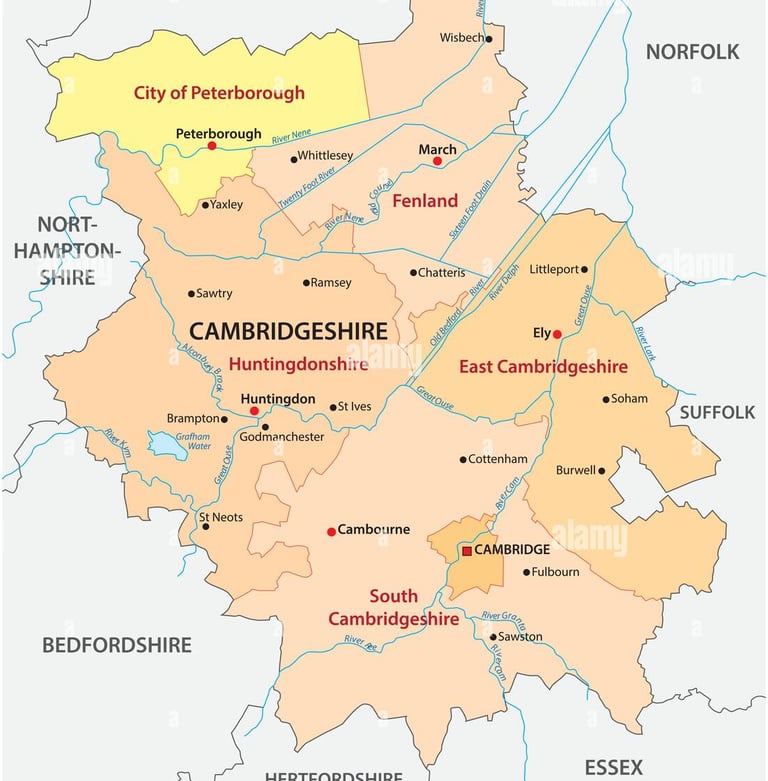
Classified as a “hard to very hard water” region.
Typical levels often exceeding 200 mg/L (ppm) of calcium carbonate, and in some areas reaching 300 ppm or higher.
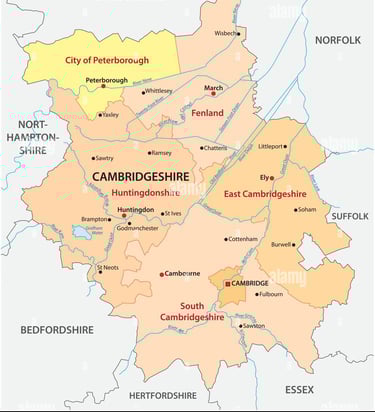
Almost all towns and localities treated as Very Hard or Hard, inc. Cambridge, Peterborough, Huntingdon, St Neots, St Ives, Wisbech, March, Ely, Chatteris, Whittlesey, Ramsey, Sawston, Soham, and Godmanchester,
Surrey
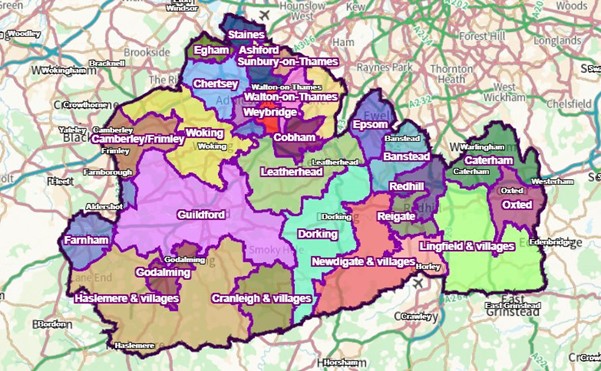
Classified as a “hard water” region.
Typical levels often in 200 - 300 mg/L (ppm) of calcium carbonate.
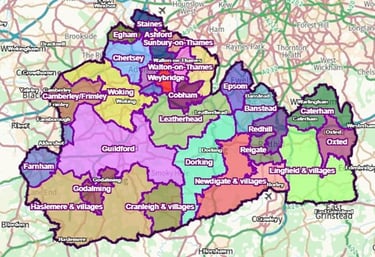
Most towns and localities, including Guildford, Esher, Reigate, Farnham, Stains, Camberley and Epsom, consistently experience Hard water conditions
Hertfordshire
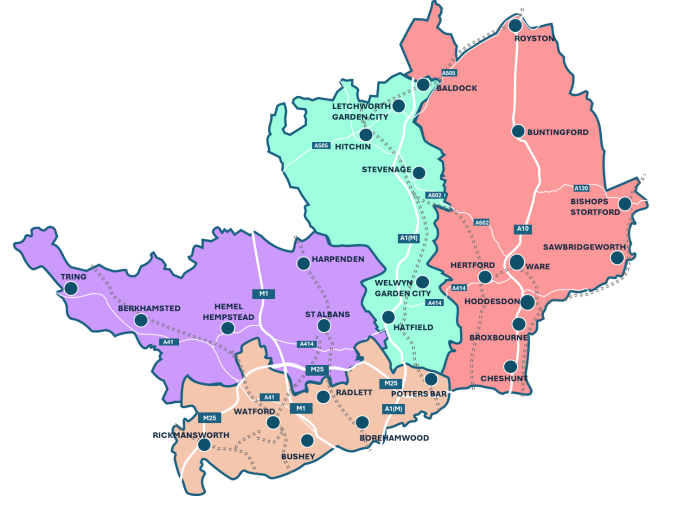
Classified as a “hard to very hard water” region.
Typical levels often exceeding 200 - 300 mg/L (ppm) of calcium carbonate.
Almost all major towns and localities treated as Very Hard or Hard, inc. Watford, St Albans, Hemel Hempstead, Stevenage, Hitchin, Letchworth Garden City, Welwyn Garden City, Hatfield, Hertford, Ware, Cheshunt, Borehamwood, Bushey, Rickmansworth, Potters Bar, Harpenden, Berkhamsted, Tring, Bishop’s Stortford, and Royston.
Berkshire
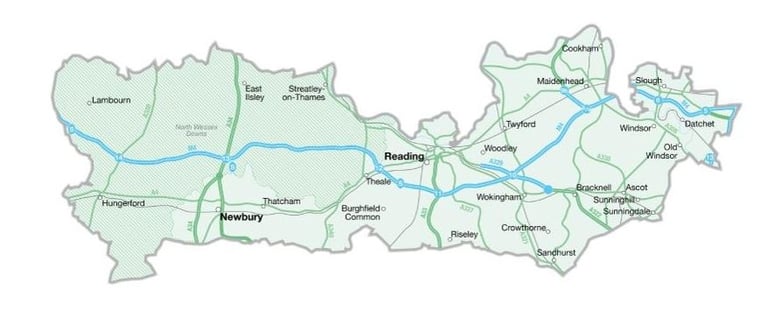
Classified as a “hard to very hard water” region.
Typical levels often in 200 - 300 mg/L (ppm) of calcium carbonate, and in some areas exceeding 300 ppm.
Almost all towns and localities are treated as Very Hard or Hard water areas, inc. Reading, Windsor, Slough, Bracknell, Maidenhead, Hungerford, Newbury, and Wokingham.
Help
Questions? Reach out anytime for support.
Contact
Stay Updated
info@rawater.co.uk
© 2026. All rights reserved.
Learn More